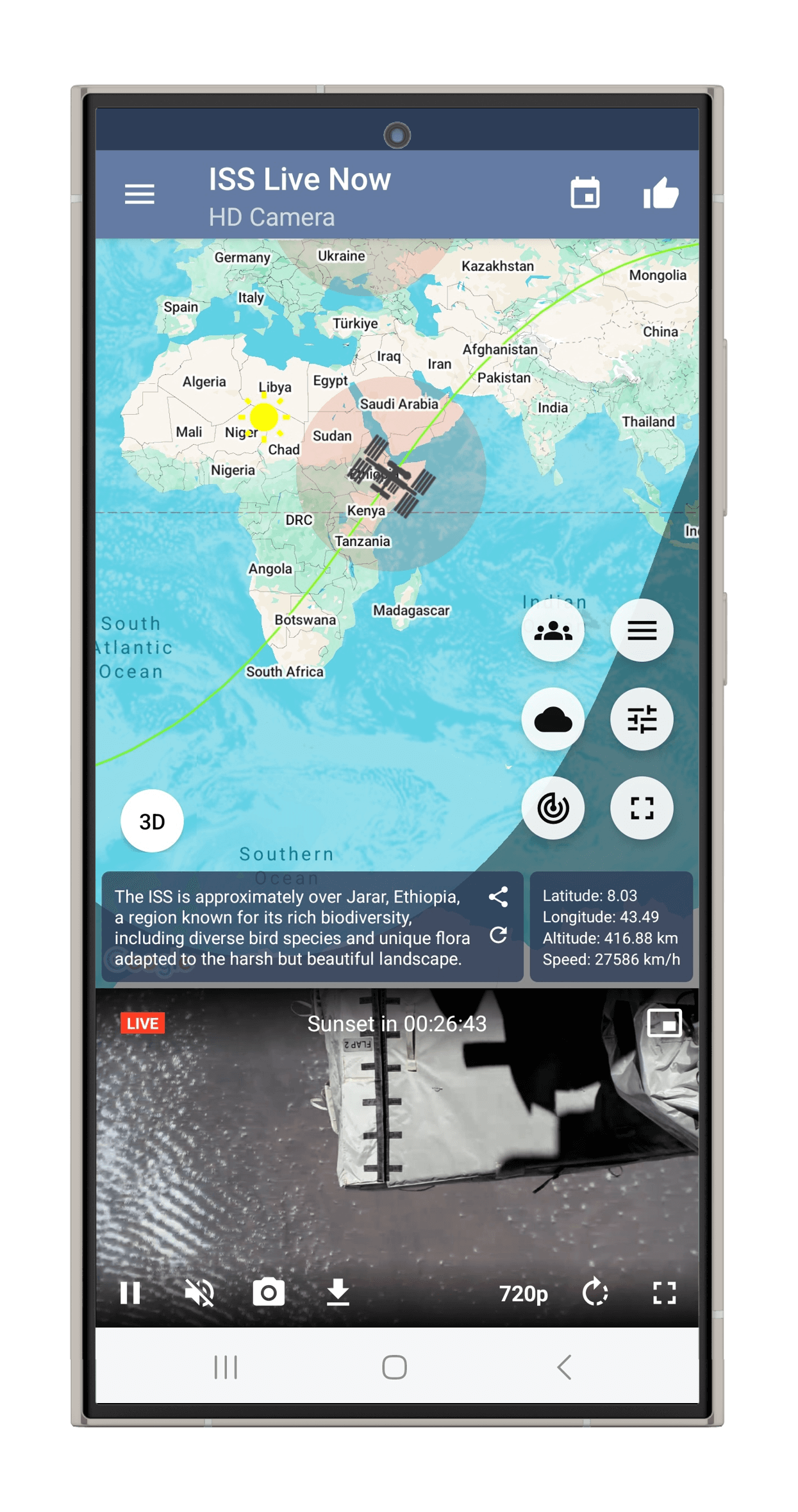
ISS Location Fact
Interesting facts about the region the ISS is currently flying over.
Who is on the ISS
Upcoming Space Launches
Powered by Launch Library.
About the International Space Station
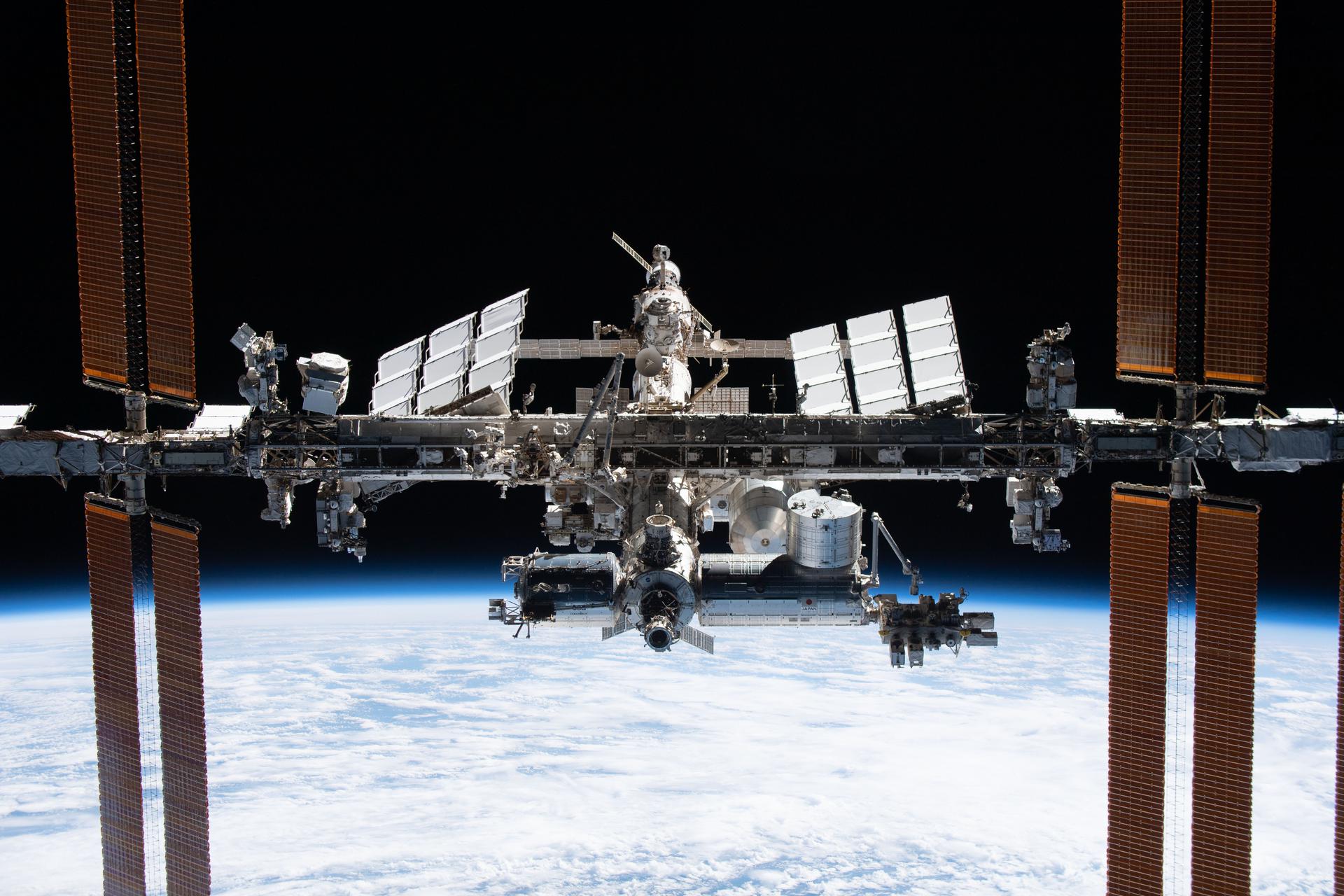
The International Space Station (ISS) is a modular space station in low Earth orbit. It is a multinational collaborative project involving NASA (United States), Roscosmos (Russia), JAXA (Japan), ESA (Europe), and CSA (Canada). The ISS serves as a microgravity and space environment research laboratory where scientific research is conducted in astrobiology, astronomy, meteorology, physics, and other fields.
Construction of the ISS began in 1998 with the launch of the Russian Zarya module. The station has been continuously occupied since November 2000, when the first crew arrived aboard Soyuz TM-31. With a mass of over 400,000 kg and a habitable volume of about 1,000 cubic meters, the ISS is the largest human-made structure in space.

Orbital Facts
The ISS orbits Earth at approximately 408 km altitude, completing about 16 orbits per day. It travels at roughly 27,600 km/h, meaning astronauts experience 16 sunrises and 16 sunsets every 24 hours. The orbital inclination of 51.6 degrees allows the station to pass over 90% of Earth's populated areas.
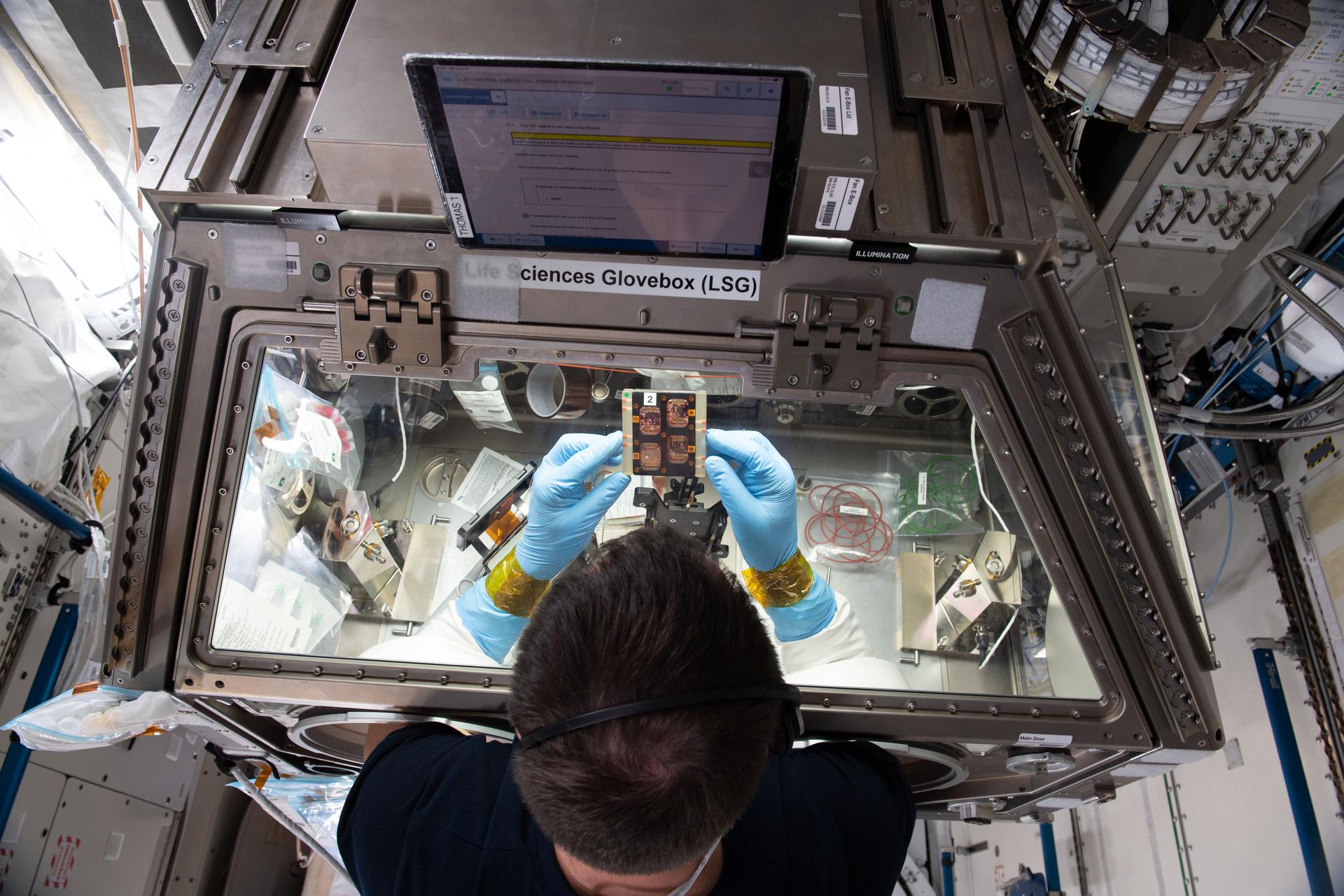
Research & Science
Hundreds of experiments are conducted aboard the ISS in biology, physics, astronomy, and meteorology. The unique microgravity environment enables research impossible on Earth, including studies on fluid dynamics, combustion, and human physiology in space.

International Partnership
Since 2000, the ISS has been continuously inhabited. Crews from over 19 countries have visited, making it one of humanity's greatest international cooperation achievements. The partnership demonstrates that nations can work together on ambitious scientific goals.
Space Agencies & Companies
The ISS is operated by five space agencies and supported by commercial partners. Each contributes modules, crew, cargo vehicles, or crew transportation.
NASA USA
National Aeronautics and Space Administration. Leads the US segment, provides the Destiny lab, Cupola, and truss structure. Operates cargo flights via commercial resupply and crew via Commercial Crew. Manages the live video feeds from the station.
Roscosmos Russia
Russian space agency. Built the Zarya and Zvezda modules, provides Soyuz for crew transport and Progress for cargo. Operates the Russian Orbital Segment. Historically provided the primary crew transport until Commercial Crew. Progress spacecraft regularly perform orbital reboost maneuvers to maintain the station's altitude.
ESA Europe
European Space Agency. Contributed the Columbus lab and the Automated Transfer Vehicle (ATV). Provides the European Robotic Arm. Member states conduct research and send astronauts via NASA or Roscosmos flights.
JAXA Japan
Japan Aerospace Exploration Agency. Built the Kibo laboratory, the largest single module. Operated the HTV (Kounotori) cargo spacecraft. Conducts extensive research in life sciences and materials.
CSA Canada
Canadian Space Agency. Provided the Canadarm2 robotic arm and the Mobile Servicing System, essential for assembly and maintenance. Canadian astronauts have flown numerous missions to the ISS.
SpaceX Commercial
Commercial partner. Dragon cargo spacecraft and Crew Dragon for crew transport. Restored US capability to launch astronauts from American soil in 2020. Regular crew rotations and cargo resupply missions.
Boeing Commercial
Commercial Crew partner. Developing the CST-100 Starliner spacecraft for NASA crew transport to the ISS. Part of NASA's Commercial Crew Program alongside SpaceX. Provides an alternative US crew vehicle.
Sen Corporation Commercial
Commercial partner. Provides 4K video streaming from the ISS, offering the public unprecedented high-resolution views of Earth from space. Sen's cameras complement NASA's official feeds.
Northrop Grumman Commercial
Northrop Grumman provides the Cygnus cargo spacecraft under NASA's Commercial Resupply Services (CRS) program. Cygnus delivers supplies, scientific experiments, hardware, and performs orbital reboost support for the ISS. The spacecraft is captured using Canadarm2 and can remain attached for extended missions.
Axiom Space Commercial
Axiom Space conducts private astronaut missions to the ISS and is developing commercial modules that will initially attach to the ISS before forming an independent commercial space station. Axiom plays a key role in expanding low Earth orbit commercialization.
Sierra Space Commercial
Sierra Space is developing the Dream Chaser spacecraft to deliver cargo to the ISS under NASA's Commercial Resupply Services contract. Dream Chaser is designed for reusable cargo missions and runway landings.
UAE (Mohammed bin Rashid Space Centre) UAE
The Mohammed bin Rashid Space Centre represents the United Arab Emirates in human spaceflight. UAE astronauts participate in ISS missions through international agreements with NASA and Roscosmos, contributing to scientific research aboard the station.
Launch Sites for ISS Missions
Crew and cargo spacecraft bound for the International Space Station launch from several sites around the world. Each location supports specific vehicles and mission types.
Kennedy Space Center USA
NASA's primary launch site in Florida. Launch Complex 39A (LC-39A) hosts SpaceX Crew Dragon missions and some Cargo Dragon flights. Historic home of the Apollo and Space Shuttle programs.
Cape Canaveral Space Force Station USA
Adjacent to Kennedy Space Center. Space Launch Complex 40 (SLC-40) is used by SpaceX Falcon 9 for Cargo Dragon ISS resupply missions under NASA's Commercial Resupply Services program.
Baikonur Cosmodrome Kazakhstan
Russia's primary launch site, leased by Roscosmos. All Soyuz crew missions and Progress cargo spacecraft to the ISS launch from Baikonur. The only site currently used for crew launches besides US commercial pads.
Tanegashima Space Center Japan
JAXA's main launch facility. Was used for HTV (Kounotori) cargo missions to the ISS before the vehicle's retirement in 2020. Japan now relies on commercial partners for cargo delivery.
Wallops Flight Facility USA
NASA facility in Virginia. Launch site for Northrop Grumman's Antares rocket carrying the Cygnus cargo spacecraft to the ISS. Supports commercial resupply missions under NASA's CRS contract.
Guiana Space Centre French Guiana
Operated by ESA and France's CNES. Was used for launches of the Automated Transfer Vehicle (ATV) to the ISS aboard Ariane 5 rockets. The ATV program concluded in 2015; the site now supports other missions including Ariane 6.
Vandenberg Space Force Base USA
Located in California. Not used for direct ISS missions due to orbital inclination constraints—launches from Vandenberg typically go to polar orbits, while the ISS orbits at 51.6 degrees inclination. The site supports polar and sun-synchronous missions.
ISS Live Cameras

Watch our planet from space through multiple camera feeds installed aboard the International Space Station. NASA's High Definition Earth Viewing (HDEV) experiment and the External High Definition Camera (EHDC) provide stunning views of Earth. The video signal is transmitted via the Tracking and Data Relay Satellite (TDRS) system to NASA's mission control in Houston.
When the ISS is on the night side of Earth, the external cameras show a black screen due to insufficient light. During these periods, you can switch to NASA TV or ESA TV to watch mission coverage, spacewalks, or interior views of the station.
HD Camera
High-definition streaming from the EHDC (External High Definition Camera) assembly. NASA replaced the HDEV experiment with this new high-definition downlink for crystal-clear views of Earth from 408 km above. The EHDC provides the primary public Earth-viewing feed.
SD Camera
Standard definition feed showing Earth and ISS structural details. This camera sometimes captures maintenance activities, scientific experiments, and communications between ground control and astronauts. It offers a different viewing angle from the HD feed.
Space Exploration
The ISS is at the heart of human space exploration. Commercial partners like SpaceX and international agencies continue to expand our presence in space.
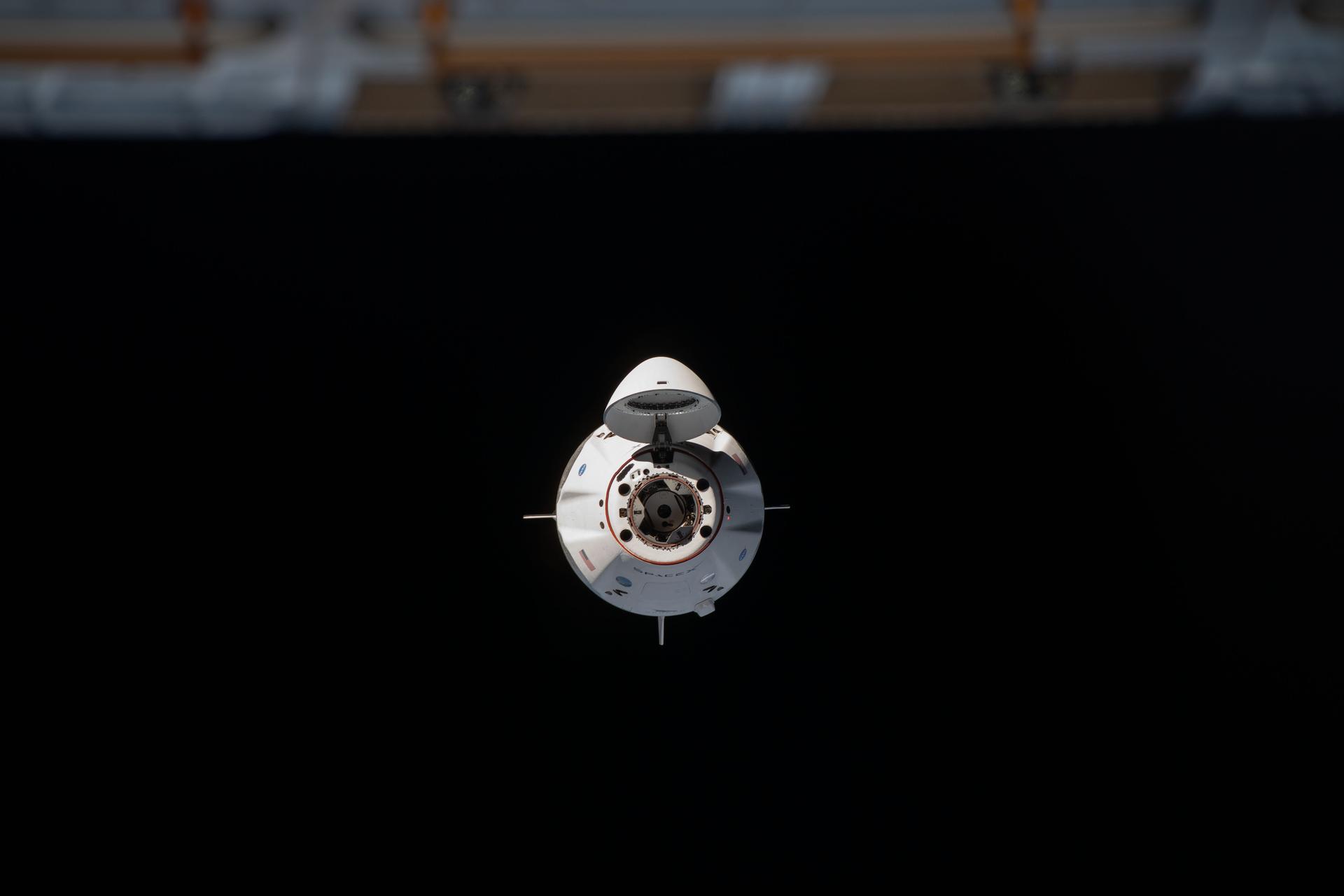
SpaceX & Commercial Crew
SpaceX's Crew Dragon regularly transports astronauts to and from the ISS. The Commercial Crew Program restored US capability to launch humans from American soil in 2020. NASA Commercial Crew.

Northrop Grumman Cygnus
Northrop Grumman's Cygnus delivers cargo to the ISS. The uncrewed spacecraft is captured by Canadarm2 and brings science, supplies, and hardware. SpaceX Dragon also provides commercial resupply.

Boeing Starliner
Boeing's CST-100 Starliner is NASA's second Commercial Crew vehicle. Once certified, it will provide crew rotations alongside Crew Dragon, ensuring redundant US crew access to the station.
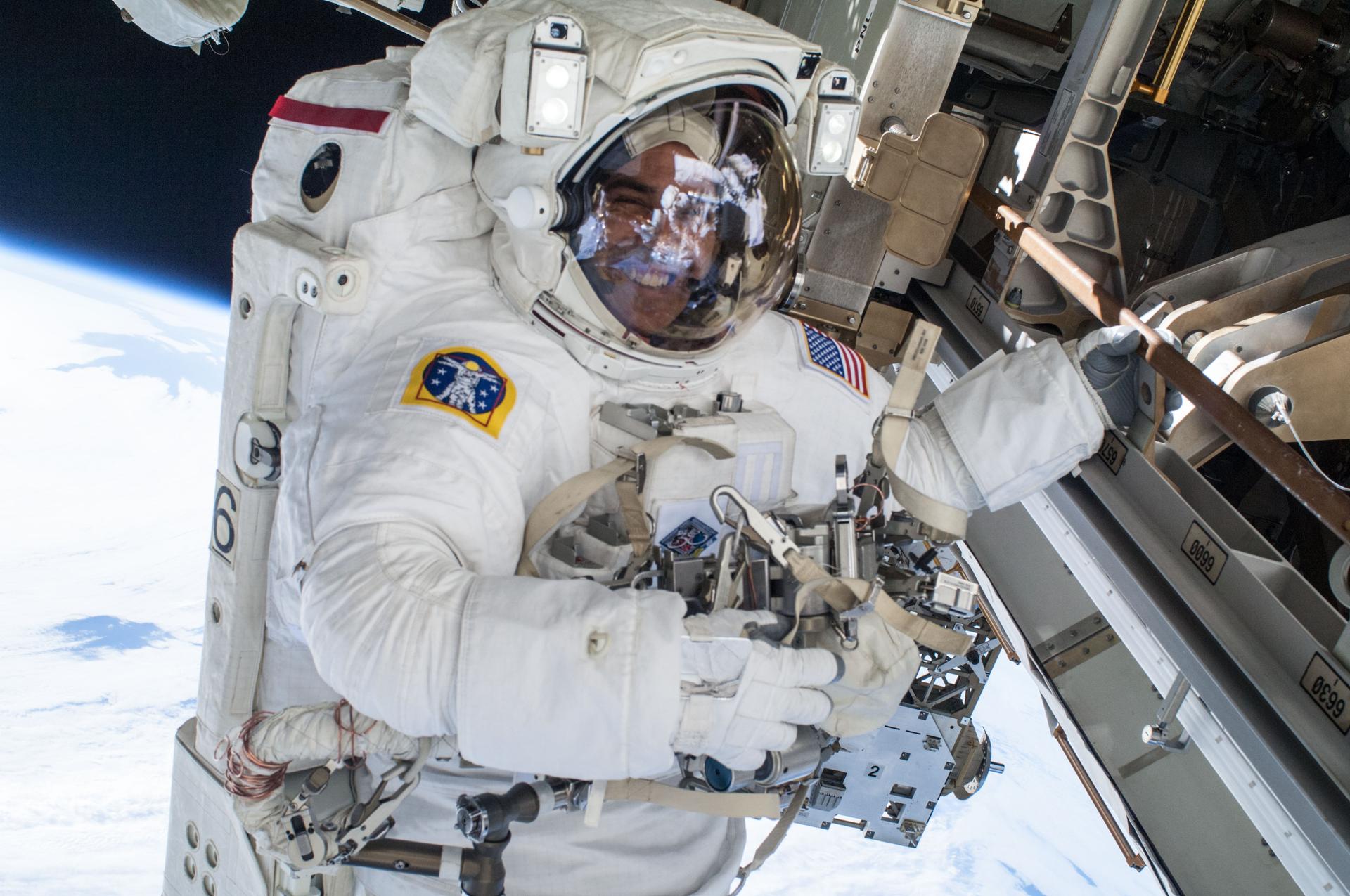
Spacewalks & EVAs
Extravehicular activities (EVAs) allow astronauts to maintain and upgrade the ISS outside the station. Spacewalks are used for repairs, installing new equipment, and scientific experiments. Each EVA is carefully planned and supported by mission control.
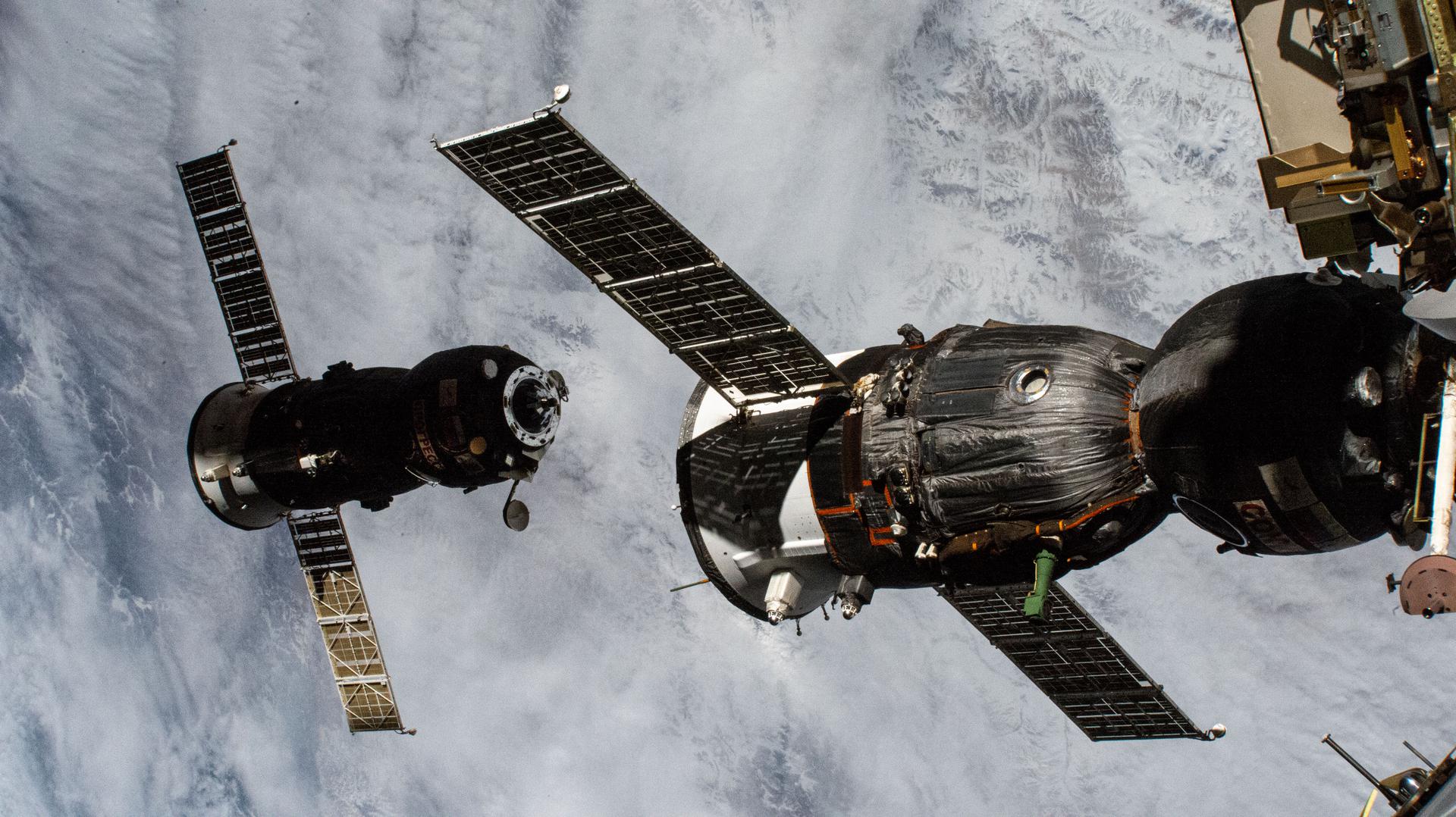
Docking & Undocking
Crew and cargo vehicles dock and undock from the ISS regularly. Crew Dragon and Soyuz use autonomous docking. Cargo craft like Cygnus and Progress are captured or released by the station's robotic arm. These operations keep the station supplied and crew rotated.
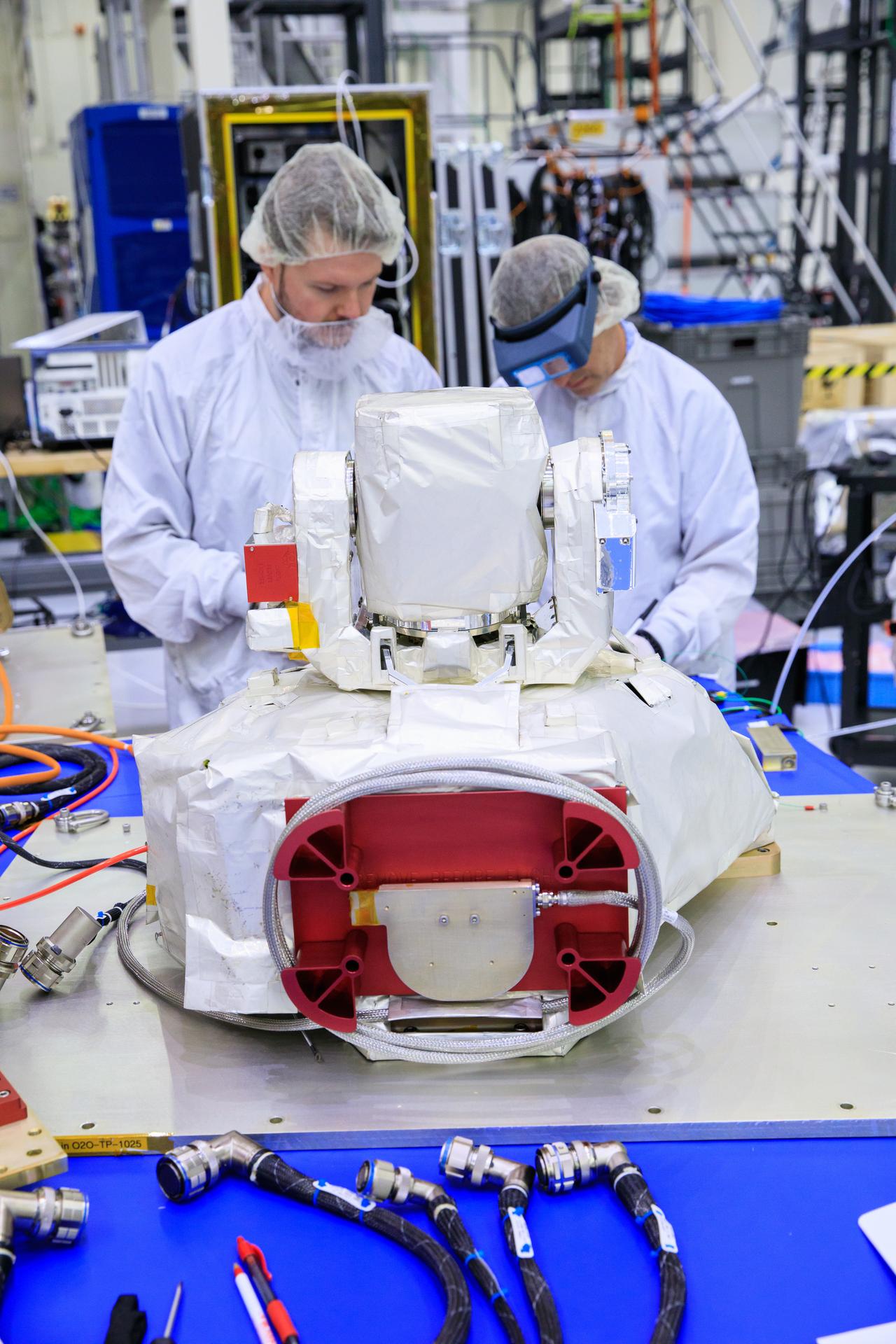
Future of Space
Beyond the ISS, humanity is preparing for lunar exploration with NASA Artemis and eventual Mars missions. The knowledge gained aboard the ISS is essential for these next steps.
Frequently Asked Questions
Common questions about the ISS live stream, cameras, and space station operations.
Why is the screen sometimes black?
When the ISS is on the night side of Earth, there is insufficient light for the cameras. The station completes about 16 orbits per day, so you'll see daylight views again within 45 minutes. You can switch to NASA TV or ESA TV during night passes.
Are the images real or computer-generated?
The HD and SD camera feeds are 100% real, transmitted live from the International Space Station. They are not CGI or manipulated. NASA's cameras stream directly from orbit via the Tracking and Data Relay Satellite (TDRS) system.
What is the Sen.com 4K camera?
Sen.com provides ultra-high definition 4K streaming from the ISS. This commercial camera offers sharper views of Earth than the standard NASA feeds. Availability may vary depending on ISS operations and communications.
How fast does the ISS travel?
The ISS orbits at approximately 27,600 km/h (17,100 mph), completing one orbit every 90 minutes. At this speed, astronauts experience 16 sunrises and 16 sunsets each day.
How can I know when the ISS will pass over my region?
It is possible to predict when the ISS will be visible from your location using orbital calculations based on your coordinates. Our mobile app provides precise pass predictions, visibility times, and optional notifications. Download the app to get started.
Does NASA turn off the cameras when passing over certain regions to hide something?
No. NASA does not shut down the cameras to conceal anything. Signal loss occurs when the ISS passes through coverage gaps where no Tracking and Data Relay Satellite (TDRS) or ground station can receive the transmission. The station orbits at 408 km altitude and relies on a network of relay satellites; when the ISS is outside that network's line of sight, the video feed is temporarily unavailable until contact is restored.
How do astronauts eat in space and how often are supplies delivered?
Astronauts eat pre-packaged meals that are rehydrated or heated. Food is stored in pouches and containers; there are no refrigerators, so items are either dehydrated, thermostabilized, or in natural form. Cargo spacecraft (such as SpaceX Dragon, Northrop Grumman Cygnus, and Russian Progress) deliver supplies roughly every two to three months. Resupply missions bring food, water, experiments, and spare parts to keep the crew and station operational.
How do astronauts perform spacewalks?
Spacewalks (extravehicular activities, or EVAs) are done outside the ISS in pressurized spacesuits. Astronauts exit through airlocks, often the Quest or Poisk modules. They use tethers and foot restraints to stay secure while conducting repairs, installing equipment, or performing experiments. Each spacewalk is carefully planned and rehearsed on Earth; mission control monitors the crew and guides them through procedures. Spacewalks typically last 6 to 8 hours.
Why aren't stars visible in the ISS camera footage?
The cameras are set for daylight views of Earth, which is much brighter than stars. To capture Earth clearly, the exposure is tuned for bright sunlight. Stars are far dimmer, so they do not register in the same frame. It is similar to taking a photo of a lit room: the window may appear washed out while objects outside are invisible. To see stars, the camera would need a longer exposure and different settings, which would overexpose Earth and make the main subject unusable.
How do astronauts maintain their health in orbit and what effects do they face when returning to Earth?
In microgravity, astronauts exercise about two hours daily on treadmills, stationary bikes, and resistance devices to counteract muscle and bone loss. They follow strict nutrition and sleep schedules. Despite this, long missions cause bone density loss, muscle atrophy, fluid shifts, and vision changes. Upon return, they experience dizziness, weakness, and balance issues as the body readapts to gravity. Rehabilitation typically lasts weeks to months, depending on mission length.